source synthesis · reviewed 2026-07-10
Hatch
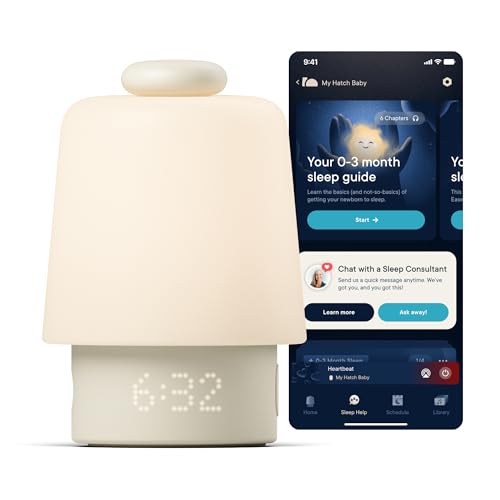
Hatch Baby
The linked ASIN is Hatch Baby, not Hatch Rest. It combines sound, light, routines, and app controls; free and subscription content must be distinguished.
Receipt-backed Amazon offer
$79.99
Checked 2026-07-10 · price and availability can change
Source-provenance disclosure
This is a source synthesis, not a hands-on test or sleep recommendation. The stored ASIN was verified as Hatch Baby, not Hatch Rest. Feature and content boundaries come from Hatch's current product and help pages; infant-noise context comes from the AAP.
At a glance

CradleCheck source frame
What this page can support
This is a synthesis of the cited regulator, manufacturer, manual, and commerce sources. The illustration is method art, not evidence of hands-on testing.
Potential fit
Overview
ASIN B0F7C6XJ3P identifies Hatch Baby Sound Machine & Night Light. The previous catalog incorrectly called it Hatch Rest and mixed features from a different product generation. Hatch describes Hatch Baby as a Wi-Fi sound machine, night light, routine tool, and time-to-rise device controlled through the Hatch Sleep app and on-device controls. The useful buying question is not whether sound guarantees better sleep; it is whether the documented controls, free content, optional subscription content, and app dependency fit the household.
Identity and controls
Hatch's overview and controls guide describe touch controls, app setup, light, sound, routines, and time-to-rise functions for Hatch Baby. Those sources replace the old Rest-specific dimensions and feature language. Because software and content can change, this review does not freeze an app version, subscription price, or lifetime feature promise.
Free sounds versus optional content
Hatch maintains a current help article listing sounds available without a Hatch+ membership. Other stories, music, and routines may depend on the current product and subscription terms. Buyers should compare the free list and current checkout disclosures rather than relying on an old review's content count.
Infant-noise boundary
A sound machine is not harmless at every volume or distance. The AAP's policy statement on excessive noise exposure advises protecting infants from high or prolonged sound exposure. Place the device away from the sleep space, use the lowest effective volume, and follow current pediatric guidance; this review does not claim a particular setting is medically safe.
Recall identity boundary
The 2024 CPSC recall concerns power adapters sold with first-generation Hatch Rest sound machines. It should not be rewritten as a frozen statement that Hatch Baby is recalled or recall-free. Owners should identify the exact product and adapter, then use the live CPSC record and Hatch support for current instructions.
Decision frame
Use the current Hatch Baby documentation and keep volume and placement conservative; the AAP warns that excessive sound exposure can harm infant hearing.
No product is a substitute for current guidance. Use a firm, flat, level, bare surface, follow the exact manual, and check the live CPSC recall database. See the source-backed safe-sleep checklist.
| Full Specifications | |
|---|---|
| Type | Accessory |
| Weight Limit | — |
| Mesh Sides | No |
| Bedside Mode | No |
| Soothing Motion | No |
| App Control | Yes |
| White Noise | Yes |
| Vibration | No |
| Height Adjustable | No |
| Height Positions | 0 |
| JPMA Certified | — |
| GREENGUARD Gold | — |
| Foldable / Portable | No |
| Dimensions | Confirm for Hatch Baby |
| Product Weight | — |
Frequently asked questions
Is B0F7C6XJ3P a Hatch Rest?
Do I need Hatch+ to use Hatch Baby?
Where should a sound machine be placed?
Receipt-backed Amazon offer
$79.99
Checked 2026-07-10 · price and availability can change
Source register
These are the sources used for this page. The access date records when the synthesis was reviewed; open the source for the current version.
- Hatch BabyHatch · accessed 2026-07-10
- Hatch Baby OverviewHatch Help Center · accessed 2026-07-10
- Your Hatch Baby PurchaseHatch Help Center · accessed 2026-07-10
- Hatch Baby Controls GuideHatch Help Center · accessed 2026-07-10
- What sounds do I get for free?Hatch Help Center · accessed 2026-07-10
- Where can I purchase Hatch Baby?Hatch Help Center · accessed 2026-07-10
- Preventing Excessive Noise Exposure in Infants, Children, and AdolescentsAmerican Academy of Pediatrics · accessed 2026-07-10
- Hatch Baby Recalls Power Adapters Sold with Rest 1st Generation Sound MachinesU.S. Consumer Product Safety Commission · accessed 2026-07-10
Related source guides
Related source-reviewed products
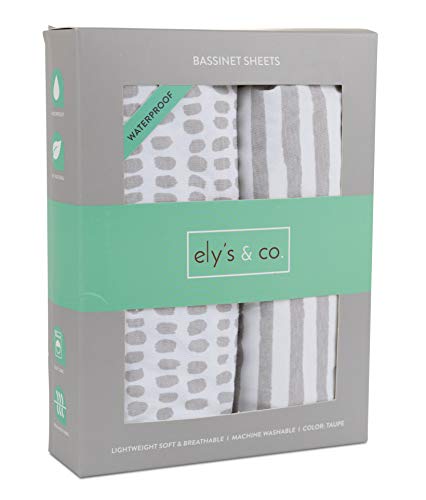
Ely's & Co.
Waterproof Bassinet Sheets
Accessory · — · No
An accessory listing that must fit the exact bassinet mattress without bunching or changing the sleep surface.
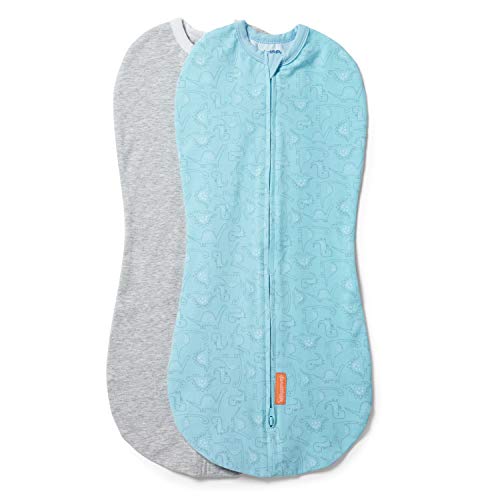
SwaddleMe by Ingenuity
Pod — Dino Jam (2-Pack)
Accessory · — · No
A zippered swaddle accessory whose exact size range and stop-use milestone must come from the package instructions and current safe-sleep guidance.